
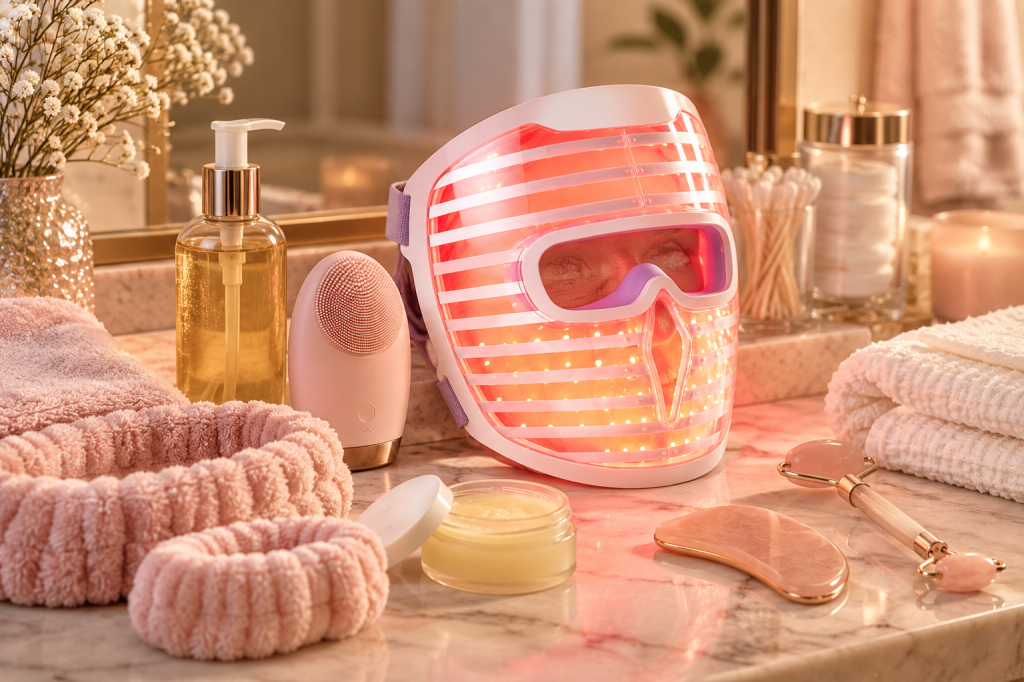
I’m an esthetician and a nurse, so skincare products and gadgets are basically designed to tempt me. But after years of working with skin—and buying plenty of things myself—I’ve learned that trendy doesn’t always mean useful.
Some products really do make a skincare routine better, easier, or simply more enjoyable. Others are overpriced, overhyped, or better left to a professional. These are the skincare products and tools I actually think are worth considering, from inexpensive little upgrades to a red light mask that’s definitely more of an investment. And because not everything deserves an affiliate link, I’m including one popular tool I’d personally skip.
This post may contain affiliate links. If you make a purchase through one of these links, I may earn a small commission at no extra cost to you. I only share products I genuinely like or think are worth considering. As an Amazon Associate I earn from qualifying purchases.
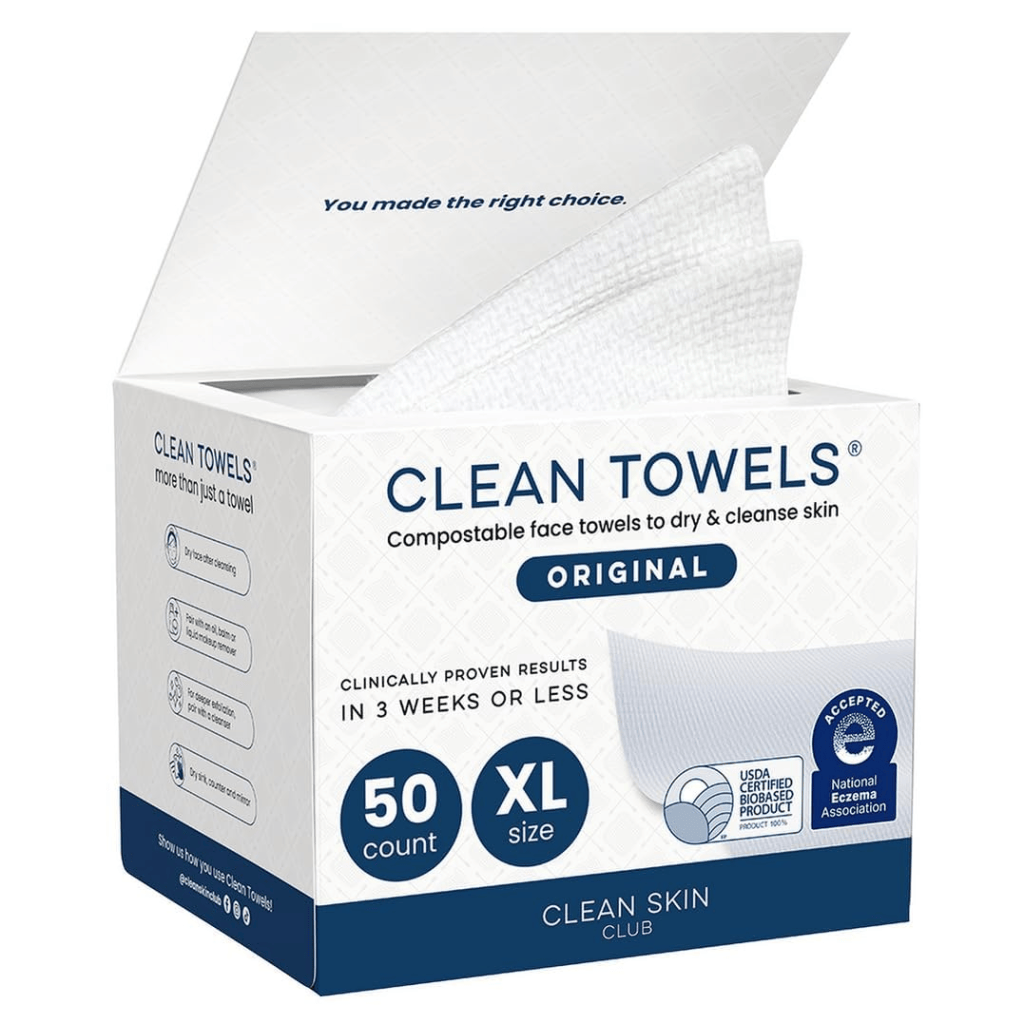
1. Clean Towels XL — The Simple Upgrade I Didn’t Know I Needed
I’ll admit, disposable face towels sounded a little unnecessary to me at first. But once you start thinking about what can collect on a bathroom towel between uses—especially one that stays damp—it starts to make a lot more sense.
Clean Towels XL are soft, single-use face towels that I like for drying freshly cleansed skin, removing cleanser or masks, and keeping things simple when traveling. I especially like the idea of having a fresh towel every time without adding another stack of tiny washcloths to the laundry.
Why I think they’re worth it: They’re convenient, gentle, and take one little variable out of your skincare routine. Are they absolutely necessary for healthy skin? No. A clean, soft washcloth or towel works too. But if you’re acne-prone, particular about what touches your freshly cleansed face, or simply love the convenience, this is one of those small upgrades that’s surprisingly easy to get used to.
2. Magic Molecule — The Spray I Keep Reaching For
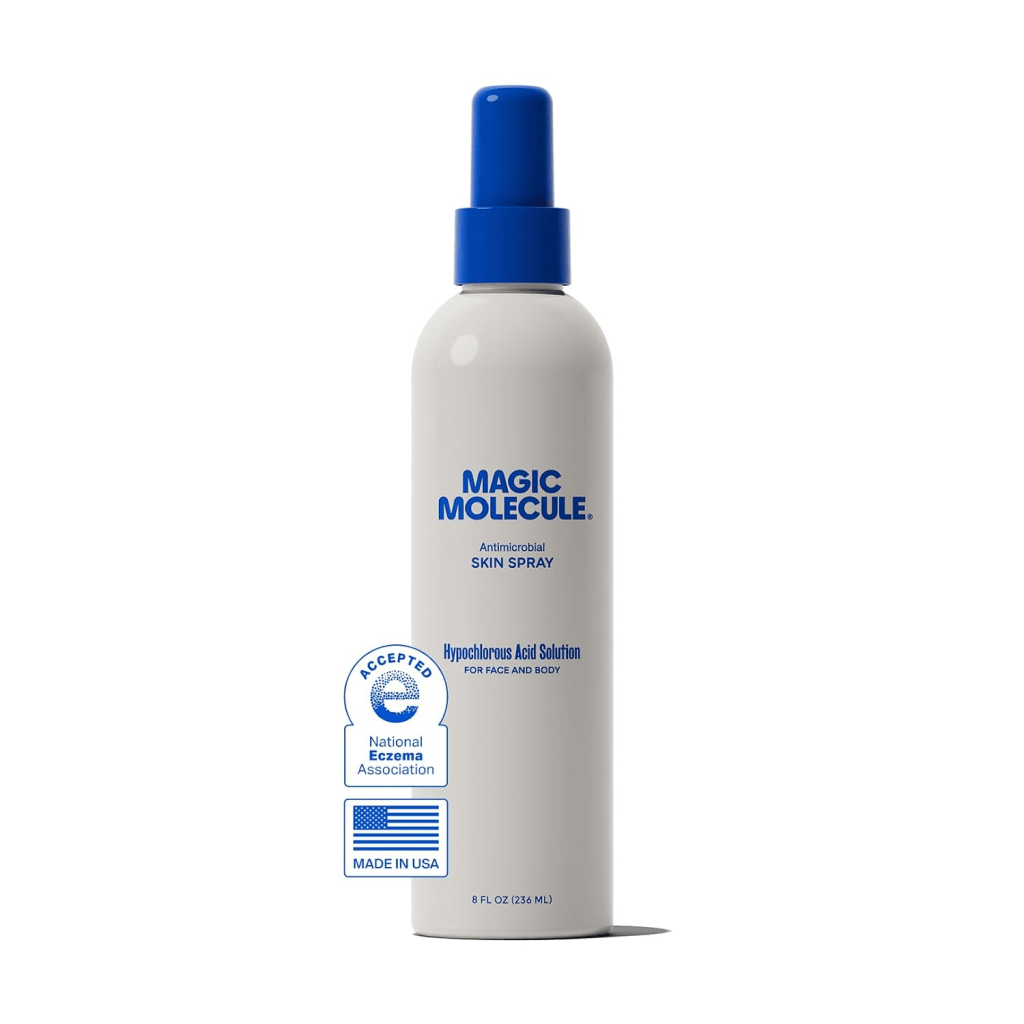
If there’s one product in this list that gets used for just about everything in my house, it’s Magic Molecule. This is one of those products I originally bought for skin and somehow started reaching for constantly.
Magic Molecule is a hypochlorous acid (HOCl) spray, and I’ve personally used it on everything from generally irritated skin and sunburned skin to post-peel skin. It’s also been the bottle I’ve grabbed when my niece was dealing with breakouts, when my son had an irritated bug bite, and even when my dog had a spot of irritated skin. Basically, if someone in my house says, “My skin is irritated,” there’s a pretty good chance I’m reaching for this bottle.
Why I think it’s worth it: I love that it’s incredibly simple and easy to use. I can mist it on without adding another heavy cream or complicated step, which makes it especially convenient when skin already feels unhappy. Hypochlorous acid is used for its antimicrobial properties and is generally well tolerated on skin, but I still think of this as a supportive skincare product—not a replacement for appropriate treatment when there’s an infection, significant burn, persistent rash, or another condition that needs medical or veterinary care.
Would I buy it again? I already have—and this is one I like having around the house.
3. PCA SKIN Daily Cleansing Oil — My Favorite First Cleanse
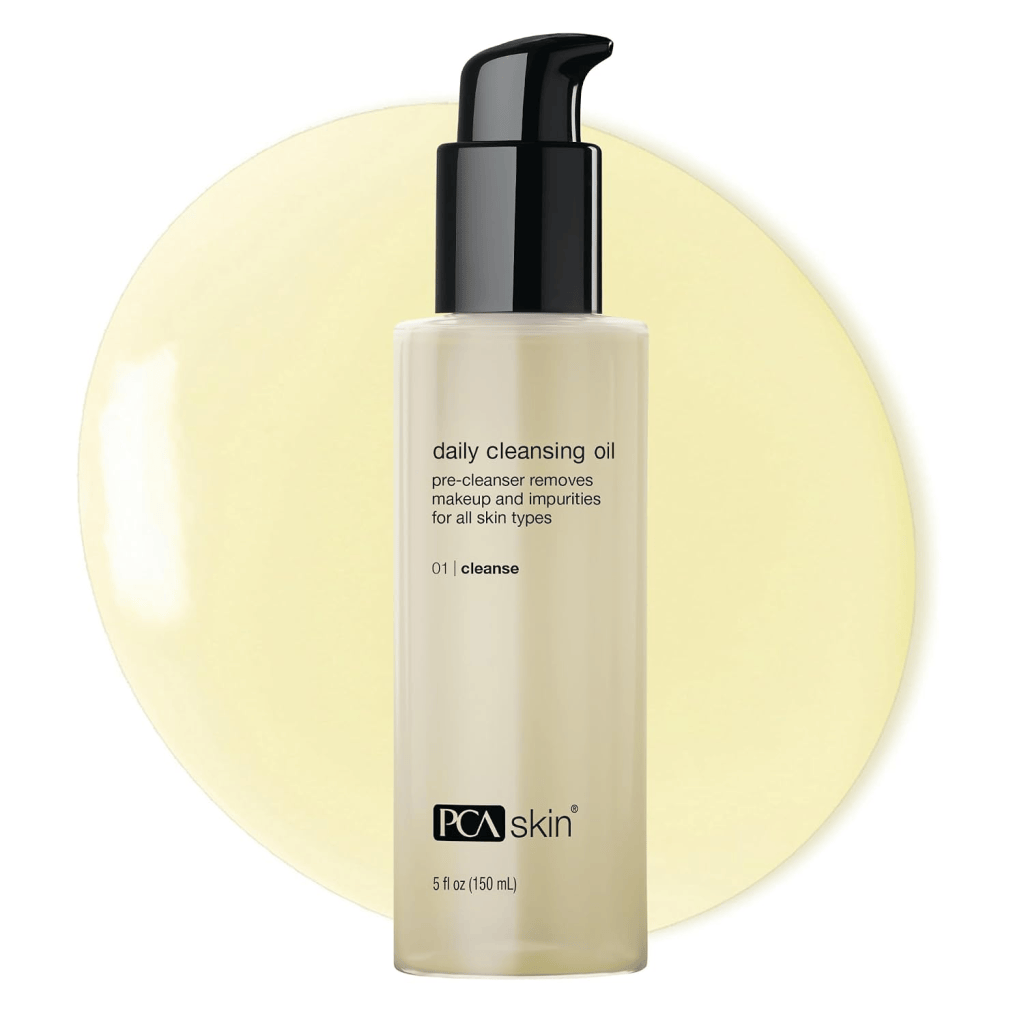
If I’m wearing makeup or sunscreen, I’m a big believer in starting with an oil cleanse—and PCA SKIN Daily Cleansing Oil is one I genuinely love. There’s something very satisfying about watching makeup, sunscreen, and the day start to melt away without feeling like I’m scrubbing my skin to get it clean.
I use cleansing oil as the first step of a double cleanse. I massage it onto dry skin first, then add water to emulsify it before rinsing and following with my regular cleanser. For me, it makes getting everything off at the end of the day much easier while still feeling gentle on the skin.
Why I think it’s worth it: A good cleansing oil does a job that more aggressive cleansing doesn’t need to do. Instead of repeatedly washing or scrubbing at stubborn makeup and sunscreen, it helps break everything down first so your regular cleanser can finish the job.
Would I buy it again? Yes. PCA SKIN is a professional skincare line I already know and use, and their Daily Cleansing Oil is one of those products that earns a permanent spot in my routine.
4. Skincare Headband + Wristbands
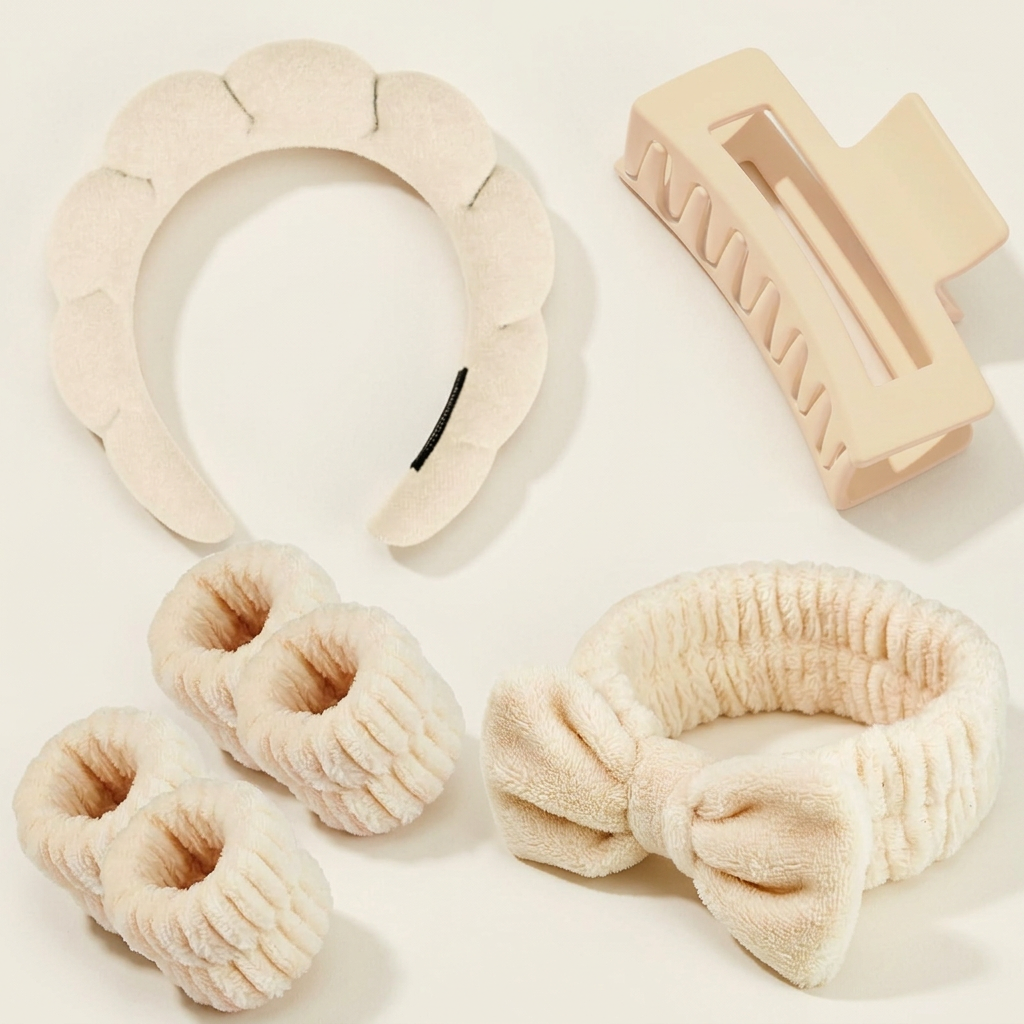
This might be the least exciting thing on this list—and also one of the most practical. If you’ve ever washed your face at the sink only to have water running down your arms, soaking your sleeves, and somehow ending up all over the counter, you already understand why these exist.
A soft skincare headband keeps my hair out of the way, while the little absorbent wristbands catch the water that would otherwise run down my arms. That’s it. No fancy technology. No promises of younger-looking skin. They just solve an annoying little problem surprisingly well.
Why I think they’re worth it: They’re inexpensive, reusable, washable, and make cleansing your face less messy. This is exactly the kind of product I love for Pretty Practical—it doesn’t need to transform your skin to make your routine better.
Would I buy them again? Absolutely. They also make a cute, inexpensive gift for anyone who loves skincare.
5. NanoCleanser
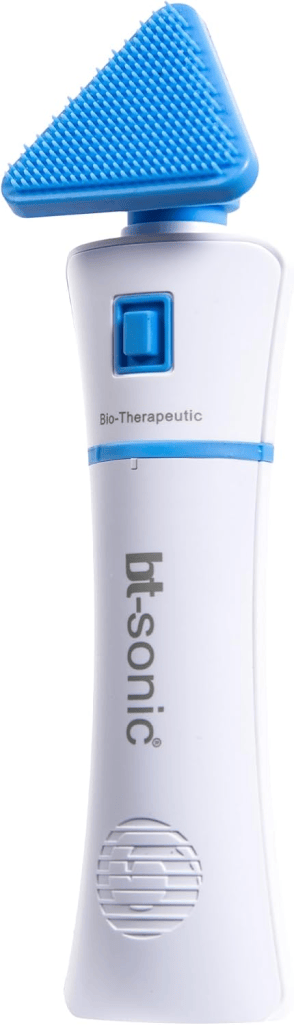
I like a cleansing device, but I don’t believe your face should feel like it just went through a car wash. 😂 When it comes to cleansing brushes, gentler is better—and that’s one of the reasons I like the NanoCleanser.
I use a facial cleansing brush when I want a little more help with my cleanse, especially around areas where makeup, sunscreen, and everyday buildup tend to hang on. What I don’t use it for is aggressively scrubbing or trying to “exfoliate” my skin every time I wash my face.
Why I think it’s worth it: A gentle cleansing device can make your cleansing routine feel more thorough without needing harsh scrubs or a lot of pressure. The key is letting the device do the work. More pressure and more time don’t automatically mean cleaner skin—and overdoing it can leave skin feeling irritated.
Would I buy it again? Yes, but this is one of those tools where how you use it matters just as much as which one you buy. Gentle, clean, and consistent wins over aggressive every time.
6. Heated Red-Light Gua Sha — The High-Tech Version of a Classic
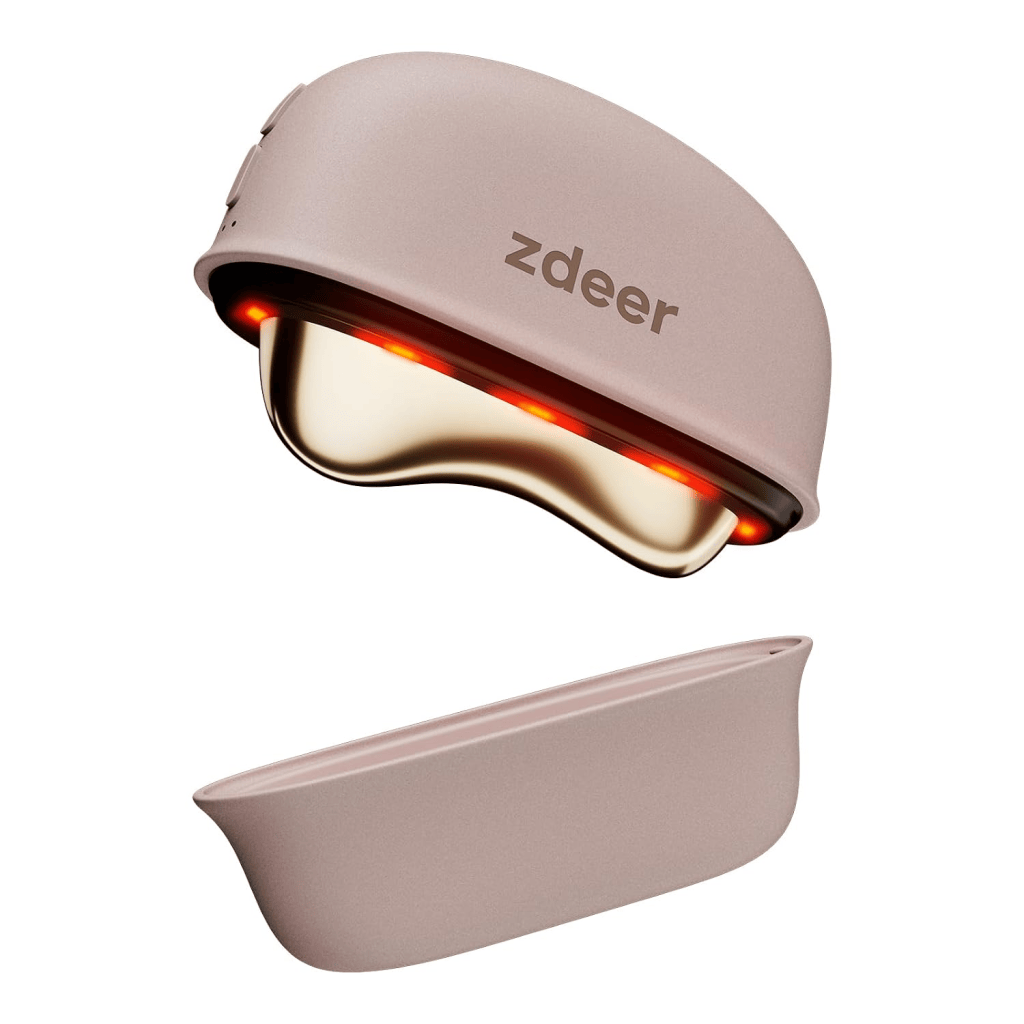
I already love facial massage, so naturally someone had to take a traditional gua sha, add heat, vibration, and red light, and make me want the upgraded version. 😂
Do you need an electric gua sha? No. A traditional gua sha with a little facial oil or serum can give you a great facial massage for a fraction of the price. But I really enjoy the added warmth and vibration of an electric version. It turns a few minutes of facial massage into something that feels a little more like an at-home treatment.
Why I think it’s worth it: For me, this is more about the massage experience than expecting a gadget to dramatically change the shape of my face. Facial massage can temporarily help with the appearance of puffiness, and the warmth and vibration make the process especially relaxing. The red light is a nice added feature, but I wouldn’t buy a small gua sha device specifically as my primary red-light treatment—that’s where a dedicated LED device comes in.
Would I buy it instead of a regular gua sha? If you just want the benefits of facial massage, save your money and get the basic gua sha. If you love skincare gadgets and know the heat and vibration will make you use it more often, then I think the upgrade makes sense.
7. iRestore Red Light Mask
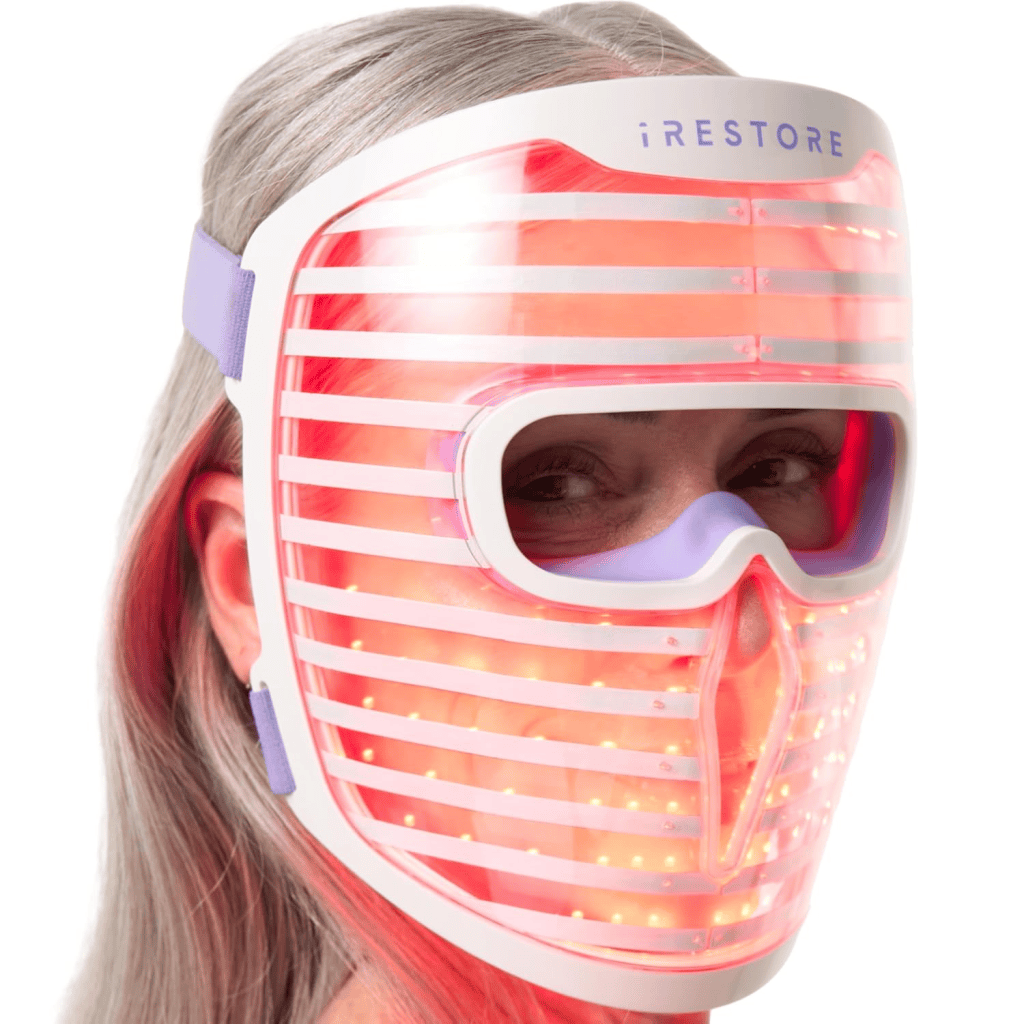
This is definitely the splurge on my list. Red light therapy has become one of the biggest trends in at-home skincare, but unlike a lot of skincare gadgets, there is legitimate research behind LED light therapy. The catch? Not every device is created equal, and consistency matters a lot more than buying a mask and letting it live in a drawer.
What I like about having a dedicated LED mask is the coverage and convenience. Instead of holding a small device over different areas of my face, I can put the mask on, let it do its thing, and move on with my evening. And honestly, convenience matters—because the best skincare device is the one you’ll actually use consistently.
Why I think it’s worth it: Research suggests red and near-infrared light may help improve some visible signs of skin aging with consistent use, but results vary and at-home devices aren’t all created equal. But I think expectations are important here. This isn’t an overnight facelift, and I wouldn’t expect dramatic results after a handful of uses.
Would I spend the money? If you’re serious about incorporating LED into your routine and know you’ll use it consistently, this is one area where I’d rather invest in a dedicated device than buy several cheaper gadgets just because they happen to have a few red LEDs built into them.
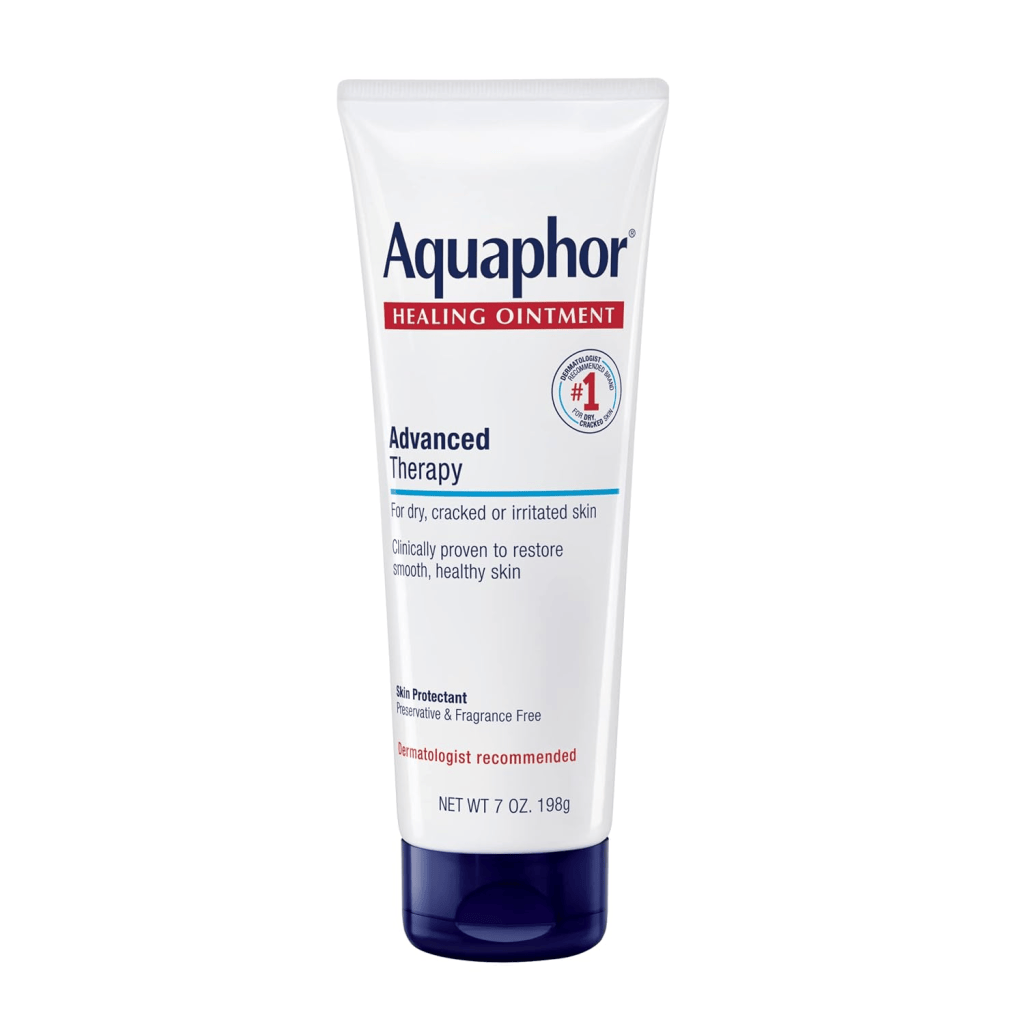
8. Aquaphor/Vaseline
After talking about an LED mask that’s definitely an investment, let’s bring it all the way back down to one of the least glamorous products in the bathroom: good old Aquaphor or Vaseline.
I love skincare as much as anyone, but sometimes you really don’t need a beautifully packaged $50 balm. Petrolatum is an excellent occlusive, meaning it helps reduce water loss from the skin by creating a protective barrier. I reach for it on dry lips, rough patches, areas that need a little extra protection, and as a final step over skincare when I want to seal everything in.
Why I think it’s worth it: It’s inexpensive, easy to find, and incredibly versatile. Aquaphor and Vaseline aren’t exactly the same formula—Vaseline is essentially petrolatum, while Aquaphor contains petrolatum along with additional ingredients—but both can be useful depending on what your skin prefers.
One thing to know: “Slugging” became trendy, but that doesn’t mean everyone needs to coat their entire face in petrolatum every night. I prefer using it where and when it actually makes sense rather than turning it into another skincare rule.
But doesn’t Vaseline clog your pores?
This one is a little more nuanced than social media makes it sound. Petrolatum is an excellent occlusive, which means it helps reduce water loss and protect the skin barrier. But that doesn’t mean every acne-prone person will love having it all over their face.
If you’re prone to breakouts, I wouldn’t automatically assume you need to avoid petrolatum—but I also wouldn’t jump straight into coating your entire face in it every night. The American Academy of Dermatology notes that petroleum jelly can cause breakouts in some acne-prone people. I’d start with a small amount on areas that actually need the extra barrier support and see how your individual skin responds.
And remember that Vaseline and Aquaphor aren’t identical products. Vaseline is primarily petrolatum, while Aquaphor contains petrolatum along with additional ingredients, so your skin may prefer one over the other.
Would I buy it again? Always. Sometimes the most practical skincare product really is the one that’s been sitting on drugstore shelves forever.
9. At-Home Dermarollers — The Skincare Tool I’d Skip
I love microneedling—but there’s a very big difference between professional microneedling and rolling an inexpensive needle-covered device across your face at home. This is one skincare tool I’d personally leave to the professionals.
My biggest issue with at-home dermarollers isn’t simply that they have needles. It’s everything that comes with using those needles correctly: sanitation, needle depth, pressure, technique, knowing when skin should not be treated, and knowing what products are appropriate around a treatment that disrupts the skin barrier.
Why I’d skip it: This is one of those situations where saving money by doing it yourself isn’t worth it to me. Improper use can mean unnecessary irritation, inflammation, infection risk, or unwanted pigment changes—and more aggressive treatment does not automatically mean better results.
What I’d do instead: If your goal is improving the appearance of texture, fine lines, or acne scarring, I’d put the dermaroller money toward a consultation with a qualified professional who can determine whether microneedling is appropriate for your skin in the first place.
Would I put an affiliate link here? Nope. And that’s kind of the point
The Bottom Line: Your Skincare Routine Doesn’t Need Everything
I love trying skincare products and devices, but a good routine doesn’t need to look like a fully stocked treatment room. The products that are worth buying are the ones that solve a problem, make your routine easier, or give you enough enjoyment that you’ll actually use them.
Some of my favorites on this list cost just a few dollars. Others are definitely an investment. And some—like the at-home dermaroller—can stay right where they are.
My rule is pretty simple: good skincare doesn’t have to be complicated, and expensive doesn’t automatically mean better. Buy the things that earn their place in your routine.
And if something is pretty and practical? Even better.
A Note on Skincare & Sources
Skincare is personal, and what works well for one person may not be appropriate for another. I share my experiences and perspective as an esthetician and nurse, but the information here is for educational purposes and isn’t a substitute for individualized medical advice. For topics such as LED light therapy, microneedling, skin barrier care, and hypochlorous acid, I rely on established dermatology guidance and published research when evaluating products and treatments.
Sources & Further Reading
American Academy of Dermatology — Red Light Therapy for Skin
American Academy of Dermatology — Microneedling & At-Home Devices
American Academy of Dermatology — Petroleum Jelly for Skin Care
PubMed — Hypochlorous Acid in Dermatology & Skin Care — a 2025 review covering HOCl’s antimicrobial properties and dermatologic uses.


Leave a comment