
Are LED face masks actually worth the hype?
Red light, blue light, infrared technology… there’s no shortage of skincare gadgets promising glowing, younger-looking skin. But with prices ranging from affordable to downright ridiculous, how do you know what’s actually worth your money?
Here’s the thing: not all LED devices are created equal. And just because something lights up like a Christmas tree doesn’t mean it’s doing much for your skin.
Some devices have research-backed technology, while others rely more heavily on clever marketing.
So, let’s break down what really matters, which features are worth paying for, and which devices might deserve a spot in your skincare routine.
Because spending more doesn’t always mean getting better results.
My Personal Favorite: Celluma LED Light Therapy
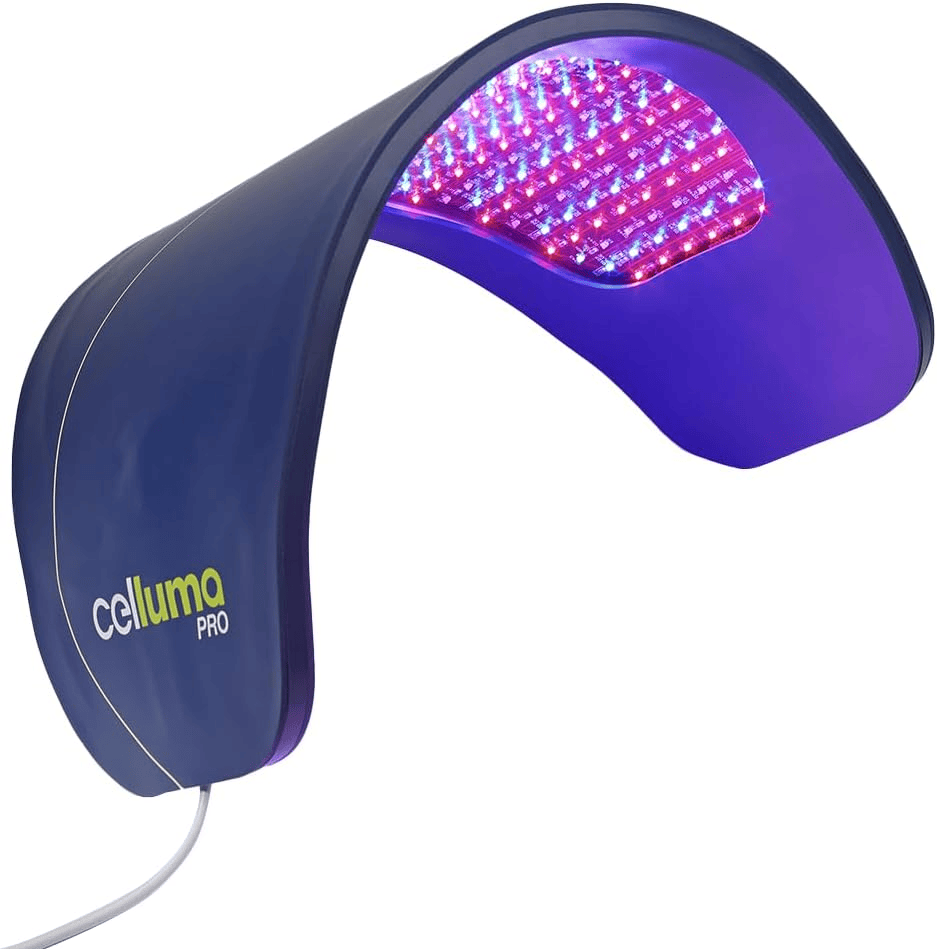
If there’s one skincare device I genuinely love, it’s my Celluma PRO.
This isn’t something I picked because it’s trending on social media. It’s a device I actually own, use regularly, and reach for both professionally and at home.
In my skincare treatments, I use Celluma to help calm the appearance of irritated skin and support post-treatment recovery. I’ve also seen impressive improvements in the appearance of acne breakouts, sometimes after just one session.
And honestly? I use it for much more than skincare.
I’ve reached for my Celluma when dealing with backaches and menstrual cramps, and I’ve even used it when my son complains about aching legs.
That’s one of the things I appreciate most about it. Depending on the model and treatment settings, Celluma devices are designed for more than just facial skincare.
What I love about it:
- Flexible design that can be positioned over different treatment areas.
- Multiple treatment modes on the PRO model.
- Useful in both my professional skincare routine and at home.
- A device I’ve personally incorporated into my routine rather than one I’m recommending based on marketing alone.
Is it inexpensive? Absolutely not. But for someone interested in LED therapy beyond the occasional facial treatment, I think it’s worth exploring.
Just remember that results vary, and my experiences are personal observations—not a guarantee of what you’ll experience.
Explore Celluma LED Devices
Affiliate disclosure: I may earn a commission from qualifying purchases through links on this page, at no additional cost to you.
iRESTORE: LED Light Therapy Made Simple
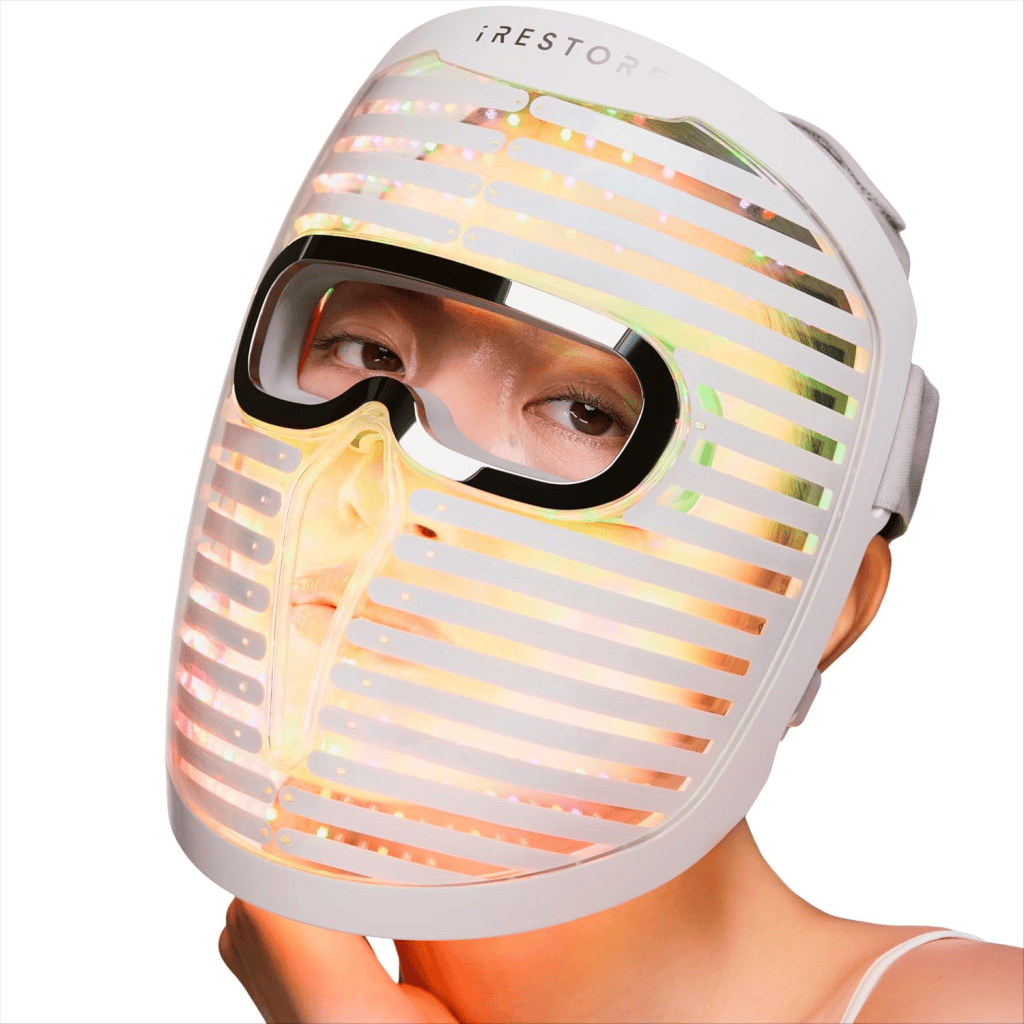
Want the benefits of LED light therapy without having to sit still holding a device?
That’s where iRESTORE comes in.
While I love the versatility of my Celluma PRO, I can appreciate the appeal of a wearable LED face mask. Sometimes you just want to put on your skincare device, relax, and let it do its thing.
iRESTORE offers a face-focused approach to light therapy, with models featuring different combinations of red, blue, and infrared light.
Depending on the model, these wavelengths are designed to target different concerns, including:
- Fine lines and wrinkles: Red and near-infrared light may help improve the appearance of aging skin with consistent use.
- Acne-prone skin: Blue light may help with mild inflammatory breakouts.
- Overall skin appearance: Regular treatments may support smoother, healthier-looking skin over time.
Why iRESTORE Caught My Attention
What appeals to me most is the convenience. A wearable mask makes it easier to incorporate light therapy into an existing skincare routine.
And consistency matters. Even a well-designed LED device isn’t going to do much good if it spends most of its life sitting in a drawer.
Celluma or iRESTORE?
For me, Celluma wins when it comes to versatility because I use it for multiple areas of the body, not just my face.
But if your main goal is facial skincare and you prefer a wearable mask, iRESTORE is an option worth comparing.
My take: The best device isn’t necessarily the one with the highest price tag. It’s the one that fits your goals, has appropriate specifications, and that you’ll actually use consistently.
Explore iRESTORE LED Masks
Note: I haven’t personally tested the iRESTORE face mask. This recommendation is based on its advertised features and technology rather than firsthand results.

